
Posts Tagged ‘MS River Flooding’
Black Swans and Mudberg
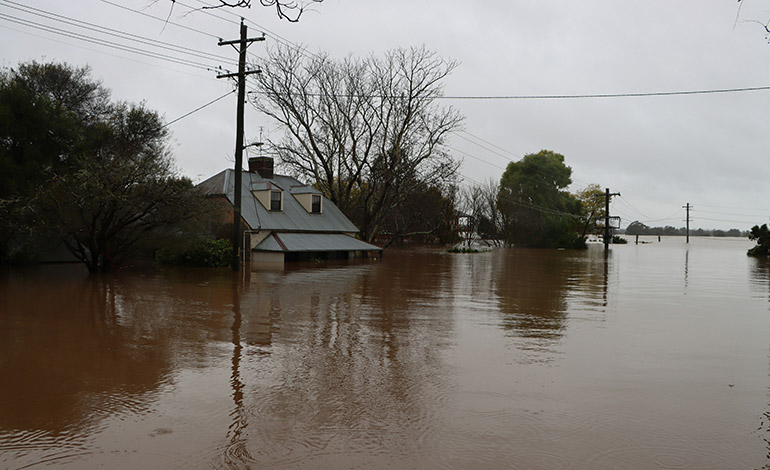
The 1927 Mississippi River Flood was what probability expert Nassim Taleb calls a Black Swan event. Europeans once thought all swans were white. Then black swans were discovered in Australia. The Black Swan metaphor describes rare, unforeseeable, high-impact events — that seem foreseeable after they happen.
Read MoreWhistling Past Mudberg
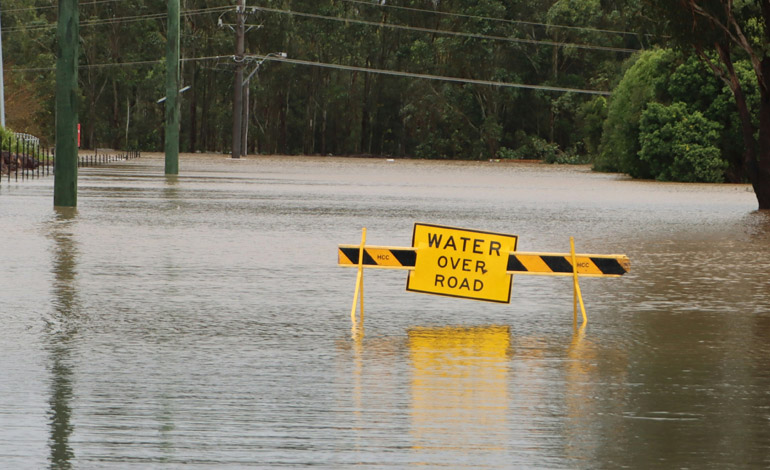
In 1950, the Corps of Engineers told Congress that when the Mississippi River is high, part of it flows down the Atchafalaya River at the juncture of an old river bed — and that it would all flow that way by 1975. That would be a catastrophe for people, cities, and plants at and below Baton Rouge on the Mississippi and in the Atchafalaya basin and for the nation’s river commerce and national security.
Read MoreWhat the Corps Understands but You Don’t

Upton Sinclair was writing about California politics in the 1930s. He could have been writing about Mississippi River Commission (MRC) politics today. Its Commanding General’s next star (salary) may depend on your not understanding Mudberg.
Read MoreBlissful Ignorance vs Mistakes of Omission
“The biggest mistakes are mistakes of omission, not commission. It’s the things you knew enough to do — they were within your circle of competence — and you were sucking your thumb. Those are the ones that hurt.” — Warren Buffett, University of Georgia, 2001
Read MoreClogged Arteries and Rivers

Clogged arteries cause heart attacks. Clogged rivers cause floods. If plaque clogs your widowmaker artery and you don’t get a stent, you may have a serious heart attack. The Mississippi River is the country’s main transportation artery. It’s vital to our economy and national security. It is clogged with plaque. It needs a stent.
Read MoreWhy Won’t the Corps Remove the Mississippi’s Bottleneck?

The US Army Corps of Engineers (Corps) is in charge of flood control on the lower Mississippi River (1928 Flood Control Act). Congress gave it that job to prevent another disastrous 1927 flood. The Corps has spent billions on its Mississippi Rivers and Tributaries Project (MRTP). It is supposed to keep the largest future flood (Project Flood) inside the levees and pass it safely to the Gulf. But the Corps’ 2019 flow line study predicts levees will overtop again — in a lesser flood.
Read MoreCliff Notes for Corps Speak

Cliff Notes began as short plot summaries of classic novels and stories. Now they are cribs about complex topics and spin. Corps Speak is the US Army Corps of Engineers (Corps) clever spin that evades responsibility for higher and longer Mississippi River floods (a complex topic). This story began when Congress put the Corps in charge of flood control (1928 Flood Control Act) to prevent another 1927 flood disaster.
Read MoreEinstein Was Wrong

Not Albert, his son Hans. As far as we know, Albert was right about his General Theory of Relativity and other natural laws. Hans was not as famous as his father. But he was the world expert on river sediments. He advised the Corps of Engineers (Corps) on the design of the Old River Control Complex (ORCC) in the 1950s.
Read MoreYazoo Delta Backwater Flooding

Backwater flooding happens when the Mississippi River is higher (about 43’ at Vicksburg) than the Yazoo River and blocks its discharge. It takes less rain to raise and keep the Mississippi above 43’ than it used to. (See More Flood for Less Rain.) So backwater flooding and batture flooding inside the levees are more frequent and longer — over three times longer since 2015. Why? What happened to cause a step change in flooding in 2015?
Read MoreMore Flood for Less Rain
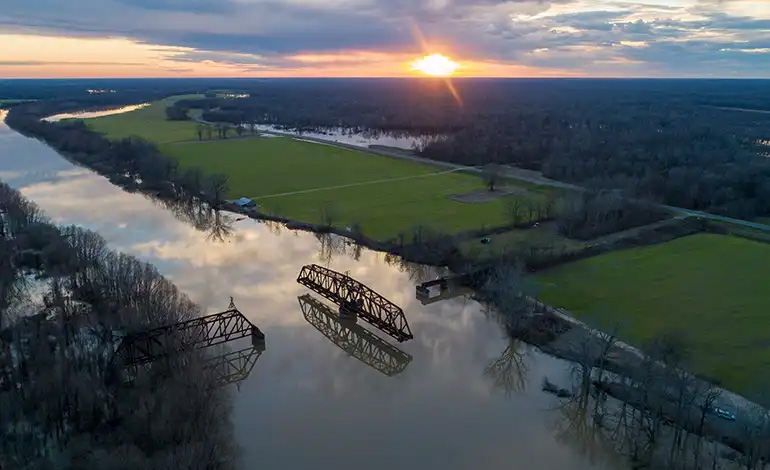
I don’t know who said it first, but the Mississippi River is flooding more often, longer, and higher for the same or less rain. There are many reasons for this. But the main one is the US Army Corps of Engineers (Corps). It is in charge of flood control on the lower Mississippi River (below Cairo, Illinois). Congress gave it that job after the great 1927 flood disaster — to prevent a repeat.
Read More