
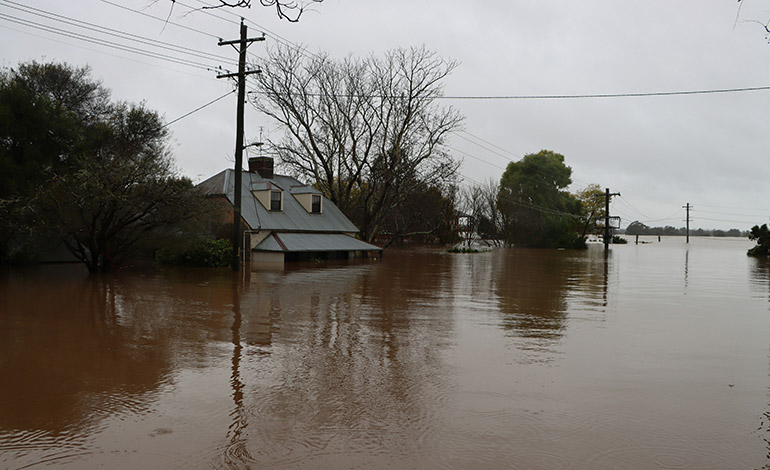
Mississippi River Flooding
We think the Corps should operate the ORCC to increase the discharge as the river rises — and that Congress should authorize this. Now. This would lower flood crests, make floods shorter, and reduce the risk of levee failure — and a course change. It would also reduce batture and backwater flooding and the resulting economic and environmental damage on some 1.5 million acres in Mississippi and Louisiana. Time to change the flood control plan – before it’s too late.
Featured Work
Black Swans and Mudberg
Bigger Pie Forum Projects

The Kemper County Clean Lignite Project

Consumer Advocate

MS River Coarse Change Poster by Dr. Y. Jun Xu – Hydrologist for LSU
What would happen if the Mississippi River changed its coarse to the Atchafalaya? Dr. Xu’s poster gives an in-depth look at the MS River’s history, likelihood of a coarse change and the consequences.
Flood Control Madness
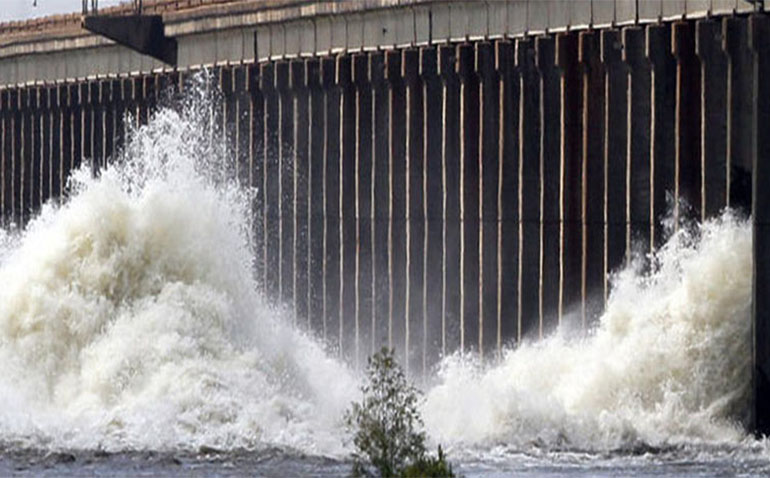
Have flood control projects actually made flooding worse? Yes. Floods are higher, longer, and more frequent than ever. Despite the Corps’ Mississippi Rivers and Tributaries Project authorized in 1928. Which the Corps says has prevented a trillion dollars of flood damage from levee failures that haven’t happened.

Another Stacked Deck: The Yazoo Backwater Pumps Project
So you want to bet against the Mississippi River?

Growing Concern about Mississippi River Course Change
That’s the subject of a recent article in The Advocate of Baton Rouge and also a similar recent article in The Times Picayune of New Orleans. It’s also something we have been talking about and testifying about before the Mississippi River Commission for the last two years.

The Undead Yazoo Backwater Pumps Project
Its tomb was sealed over in 2012 when the Fifth Circuit upheld the District Court decision against the Mississippi Levee Board’s challenge to the EPA ruling. But a bony hand is emerging from the tomb.

Lessons from Hurricane Harvey on Flooding
Storms are random natural events. The consequences may be aggravated or mitigated by intentional acts of man.